For decades, the debate in the professional pastry world was centered around “Dairy vs. Non-Dairy.” Traditionalists argued that nothing could beat the taste of pure animal fat cream. However, as the global bakery industry has evolved into a high-volume, export-oriented sector, the priorities have shifted. Today, efficiency, stability, and cost-effectiveness are the pillars of success. In this competitive landscape, vegetable-based whipping cream has emerged not just as an alternative, but as the superior choice for industrial cake production and large-scale catering.
At PMF (Pastry Material Factory), we have witnessed this shift firsthand. Bakeries in the Middle East, Africa, and Europe are increasingly moving away from the volatility of dairy markets toward the reliability of plant-based solutions. This article delves into the technical and commercial reasons why your production line should prioritize these advanced ingredients, and how PMF’s specialized formulations are setting new standards for the industry.
The Science of Stability: Conquering Heat and Humidity
One of the most significant challenges for any pastry chef or factory manager is temperature control. Animal cream is notoriously sensitive; it can separate, curdle, or lose volume if the temperature fluctuates even slightly during processing or transport.
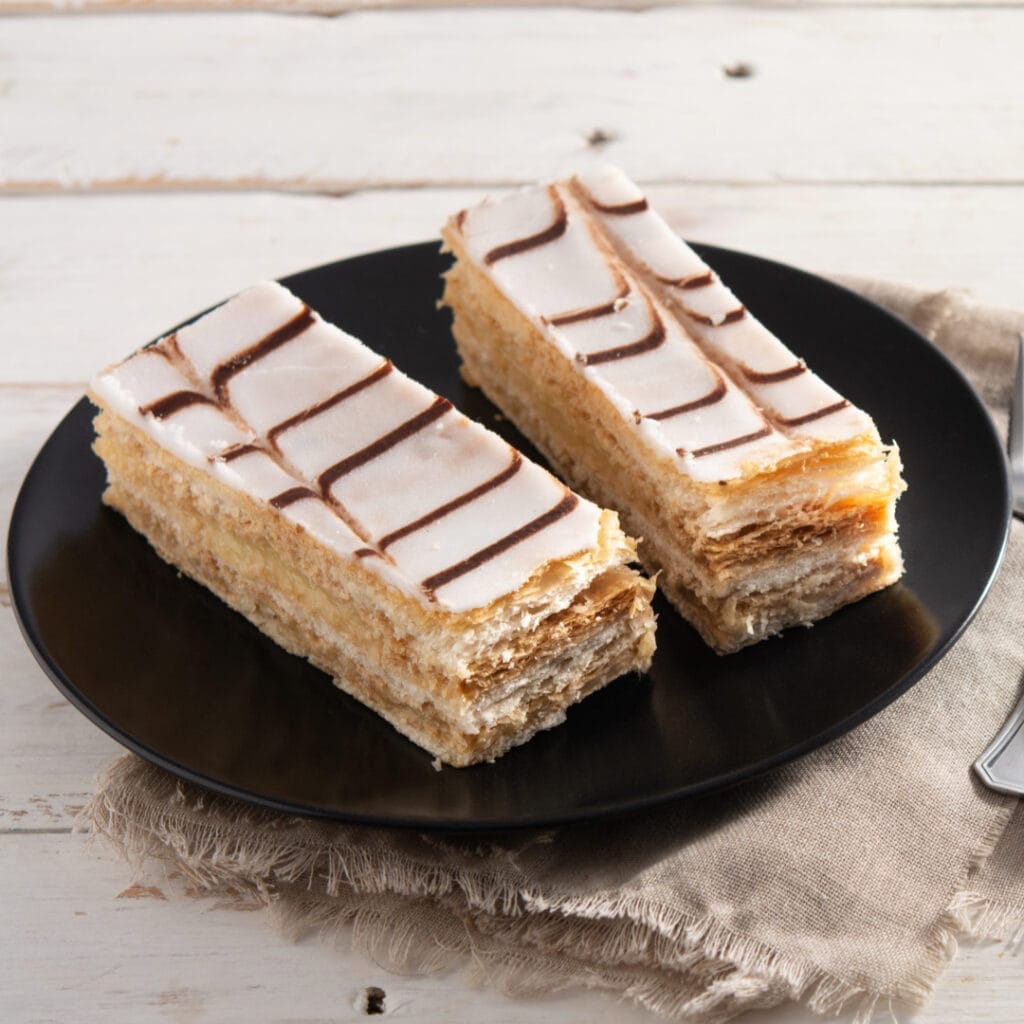
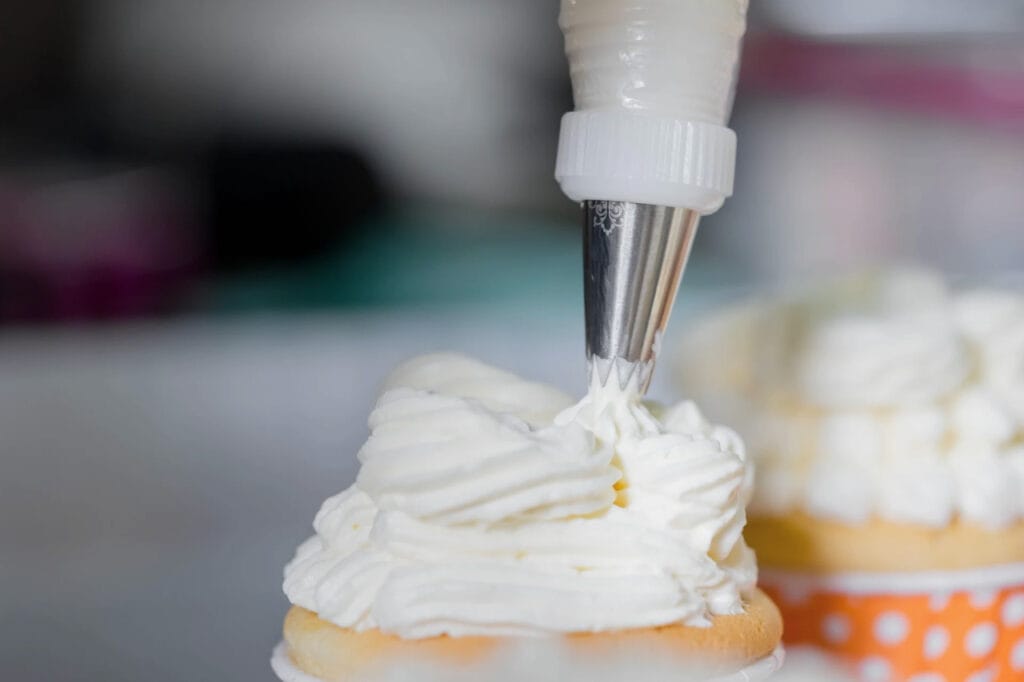
Vegetable-based whipping cream, on the other hand, is engineered for resilience. PMF’s formulas are designed to withstand higher ambient temperatures without collapsing. This is a game-changer for businesses operating in warmer climates or those exporting cakes to regions with complex supply chains. When you decorate a cake with our cream, you get “sharp edges” and intricate designs that stay defined for days, not hours. This structural integrity means that the product the customer sees on the shelf looks exactly like it did when it left the production line, significantly reducing food waste and customer complaints.
The Economics of “Overrun”: Doing More with Less
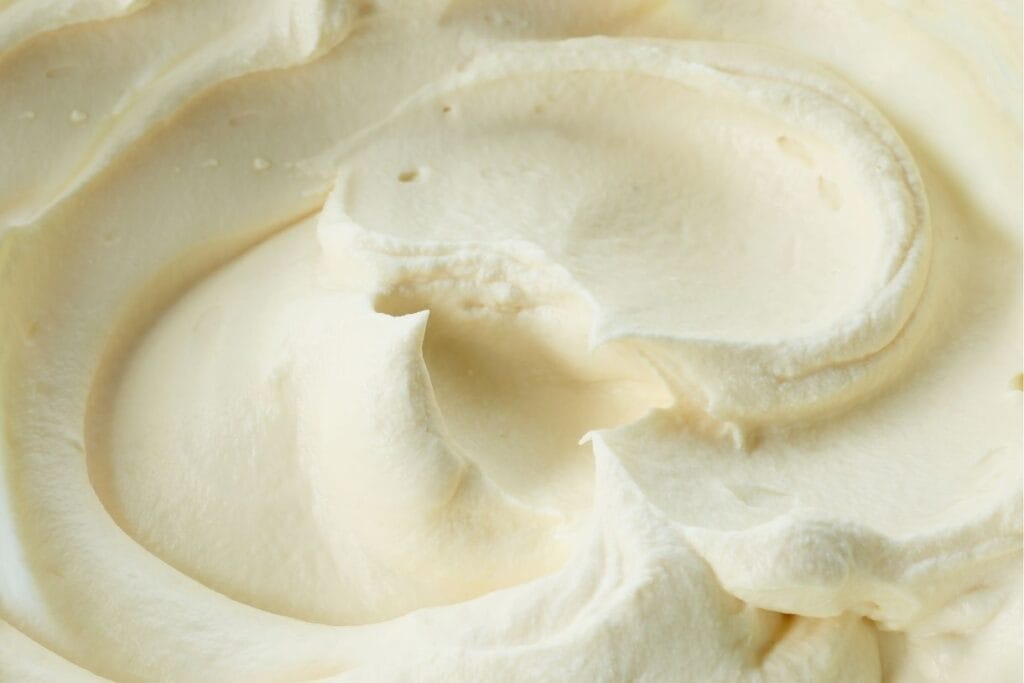
In the language of industrial baking, “overrun” is king. Overrun refers to the volume increase of the cream after whipping. While traditional dairy cream typically offers an overrun of around 100-150% (meaning it doubles in size), high-quality vegetable alternatives can achieve overruns of 300% to 400%.
This technical difference has a massive impact on the bottom line. It means that one liter of PMF’s vegetable-based whipping cream can decorate three to four times as many cakes as a liter of dairy cream. For a factory producing thousands of units a day, this translates into substantial savings on raw material costs. Furthermore, the lighter texture achieved through high overrun is often preferred in modern sponge cakes, as it does not weigh down the delicate crumb structure, resulting in a fluffier, more enjoyable eating experience.
Optimizing Operations with Vegetable-Based Whipping Cream
Beyond the immediate cost savings, there are operational efficiencies that smart managers cannot ignore. Dairy products require a strict cold chain from the farm to the factory floor, and they have a short shelf life that creates logistical headaches and high spoilage risks.
PMF’s plant-based creams (often available in powder or UHT liquid forms) offer a significantly longer shelf life and easier storage requirements. They can often be stored at ambient temperatures before opening, freeing up valuable and expensive refrigerated warehouse space. This logistical flexibility allows importers and wholesalers to buy in bulk without the fear of the stock expiring before it can be used or sold. It provides a buffer against supply chain disruptions, ensuring that your production line never stops due to a lack of ingredients.
Texture and Taste: The Myth of the “Artificial” Flavor
Historically, the main criticism of non-dairy creams was a waxy mouthfeel or an artificial aftertaste. However, food technology has advanced light-years in the past decade. PMF has invested heavily in R&D to create vegetable fat blends that mimic the melting point of milk fat.
Our current generation of creams offers a smooth, creamy mouthfeel that dissolves pleasantly on the palate. They are neutral enough to carry added flavors—such as vanilla, chocolate, or fruit purees—without masking them. This neutrality is a powerful tool for chefs, allowing them to customize the flavor profile of the cream to match local tastes perfectly, something that is difficult to do with the strong, distinct flavor of animal cream.
Meeting Dietary Trends and Safety Standards
Finally, the modern consumer is evolving. There is a growing demand for lactose-free, cholesterol-free, and vegan-friendly options. Using vegetable-based ingredients allows manufacturers to tap into these health-conscious market segments. Additionally, food safety is paramount. Plant-based ingredients generally carry a lower risk of bacterial contamination compared to raw dairy, making it easier for factories to maintain strict HACCP and ISO hygiene standards. All PMF products are Halal certified and produced under rigorous quality controls, ensuring they meet the diverse requirements of global markets.
Conclusion: The Future is Stable and Sweet
The transition to vegetable-based whipping cream is not a compromise; it is an upgrade. It represents a shift towards smarter, safer, and more profitable manufacturing. By partnering with PMF, you gain access to ingredients that are built for the realities of the modern bakery business—ingredients that work as hard as you do.
Don’t let fluctuating dairy prices or melting cakes cut into your profits. Switch to PMF’s advanced non-dairy solutions and experience the difference in stability, volume, and peace of mind.