1. Your baking pan matters!
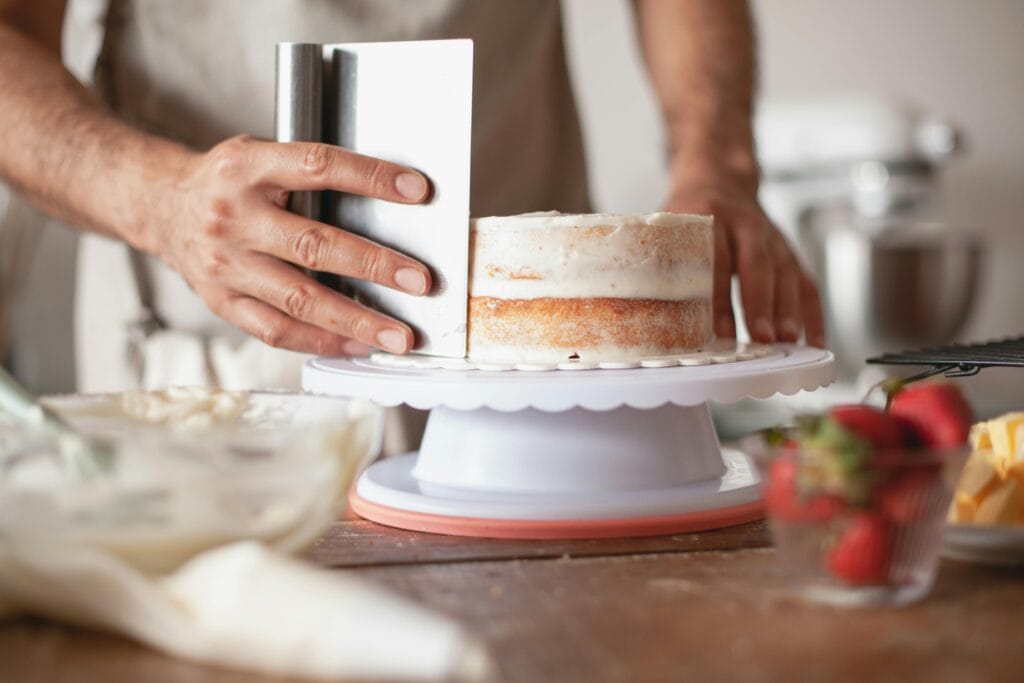
The type and size of pan you use in baking can make or break your recipe. Pans affect how heat distributes, how quickly your batter cooks, and even how evenly your bake goods or pastry rises. If you use a pan that’s too small, your batter may overflow or remain undercooked in the center, while a pan that’s too large can leave your cake dry and flat. That’s why following the recommended pan size in a recipe is essential—it ensures accurate results, consistent texture, and the perfect finish every time.
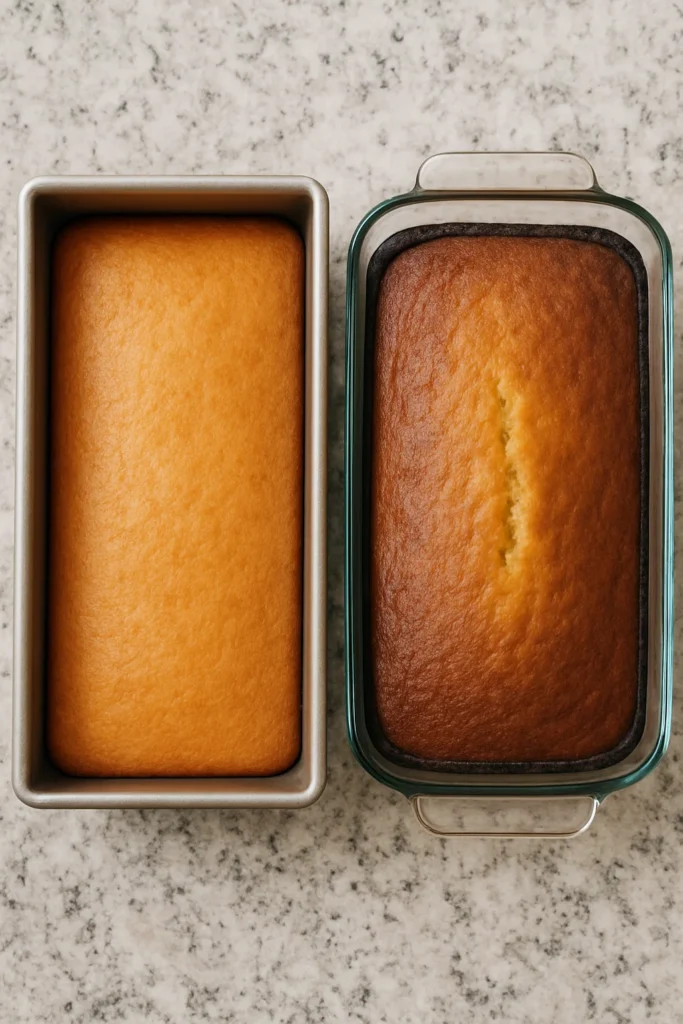
Baking your cake in a glass pan may also negativaley effect your baking since glass will retain the heat, and continue to bake what’s inside, resulting in either an underbaked center or an overbaked edge or often both, therfore baking in a metal pan will help bake your goods more evenly .
2. AVOID OVER OR UNDER MIXING!
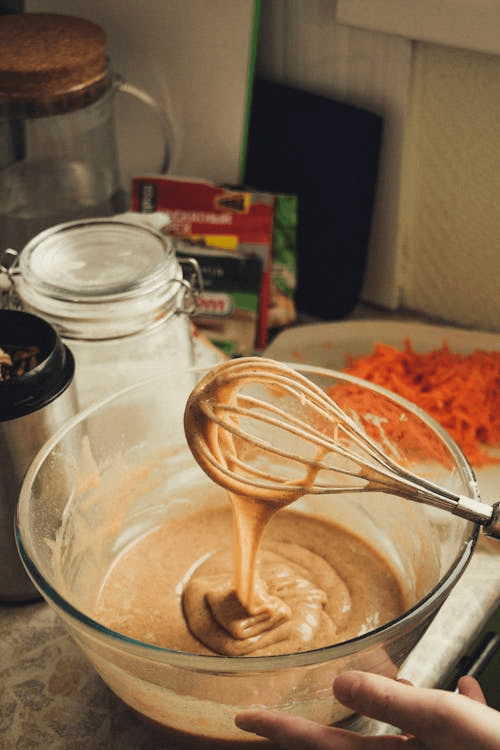
Mixing plays a crucial role in cake baking—overmixing develops too much gluten, making the cake dense and tough, while undermixing leaves pockets of flour, causing uneven texture. You’ll know it’s undermixed if you still see streaks of dry flour or lumps in the batter. Overmixed batter often looks overly glossy, thick, and heavy instead of smooth and light. The ideal batter should be uniform, airy, and just combined for a soft, fluffy cake.
3. DO NOT open the oven.
Opening the oven door while baking lets out heat and disrupts the stable temperature your baked goods need. This sudden drop in heat can cause cakes to sink, cookies to spread unevenly, or pastries to bake inconsistently. It also increases baking time, which may dry out delicate items. Steam and heat escaping can ruin the rise, especially in soufflés and breads. To avoid this, always use the oven light and window to check progress instead of opening the door.
4. ROOM TEMPERATURE INGREDIENTS
Room temperature ingredients blend together more easily, creating a smooth and even batter. Butter, eggs, and dairy at room temperature trap air better, which helps cakes rise and gives them a lighter texture. Cold ingredients can cause the batter to curdle or mix unevenly, leading to dense or flat results. That’s why most recipes recommend room temperature ingredients for consistent, bakery-quality bakes.